Lab-Grown vs Natural Diamonds

First, what actually is the difference?
At a scientific level, lab-grown and natural diamonds are almost identical.
Both are made of crystallised carbon. Both score a 10 on the Mohs hardness scale, making them the hardest natural material known. Both display the same fire, brilliance, and sparkle.
The key difference lies in how they are formed.
Natural diamonds are created deep within the earth under immense heat and pressure over billions of years. Volcanic activity brings them closer to the surface, where they are eventually mined.
Lab-grown diamonds are produced in specialised laboratories using advanced technologies that replicate these same conditions. Two main methods are used:
HPHT (High Pressure High Temperature)
CVD (Chemical Vapour Deposition)
These processes grow a diamond crystal in a controlled environment over several weeks.
To the naked eye — and even to most jewellers — lab-grown and natural diamonds are visually indistinguishable without specialised equipment.
So the question becomes less about appearance, and more about origin, value, and personal preference.
Natural diamonds: rarity and geological history
For many people, the appeal of natural diamonds lies in their extraordinary history.
Every natural diamond formed over billions of years deep within the earth’s mantle. By the time it becomes part of an engagement ring, it has travelled through geological processes far older than human civilisation.
This sense of rarity and permanence has long made natural diamonds synonymous with engagement jewellery.
There are a few key factors to consider when choosing a natural diamond.
Rarity and finite supply
Natural diamonds are a limited resource. While diamond mining continues around the world, the supply of new stones is ultimately finite.
This rarity is one reason natural diamonds have historically held value over time and why they are often associated with heirloom jewellery.
Tradition and symbolism
Engagement rings featuring natural diamonds have a long cultural history. For some couples, the symbolism of a stone formed over billions of years aligns beautifully with the idea of a lifelong partnership.
Long-term collectability
While diamonds should rarely be purchased purely as investments, natural diamonds tend to maintain resale value more reliably than lab-grown stones because of their limited supply.
For couples who see an engagement ring as something that may one day be passed down through generations, this can be an important consideration.


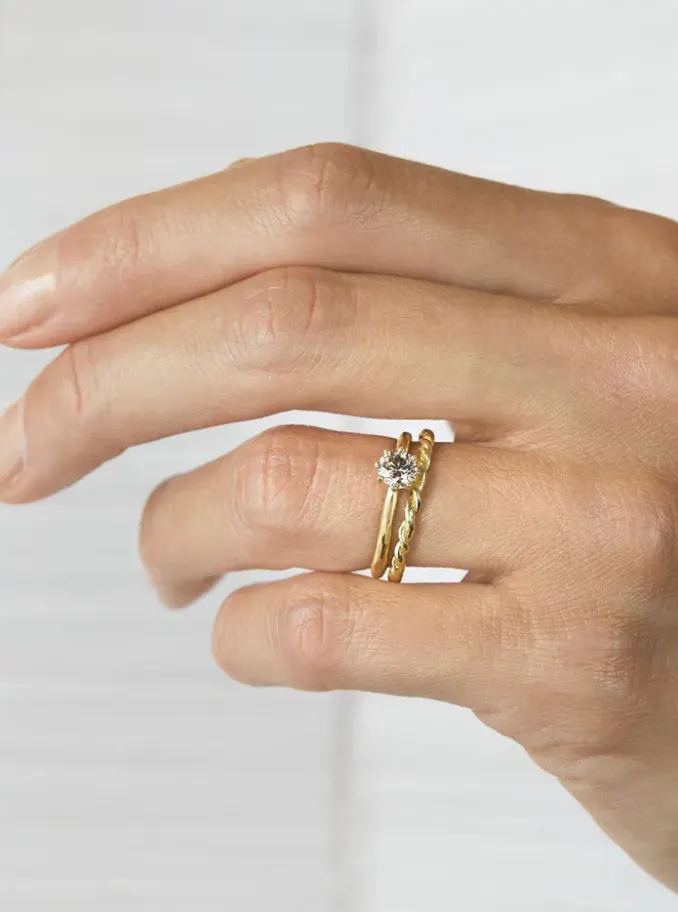

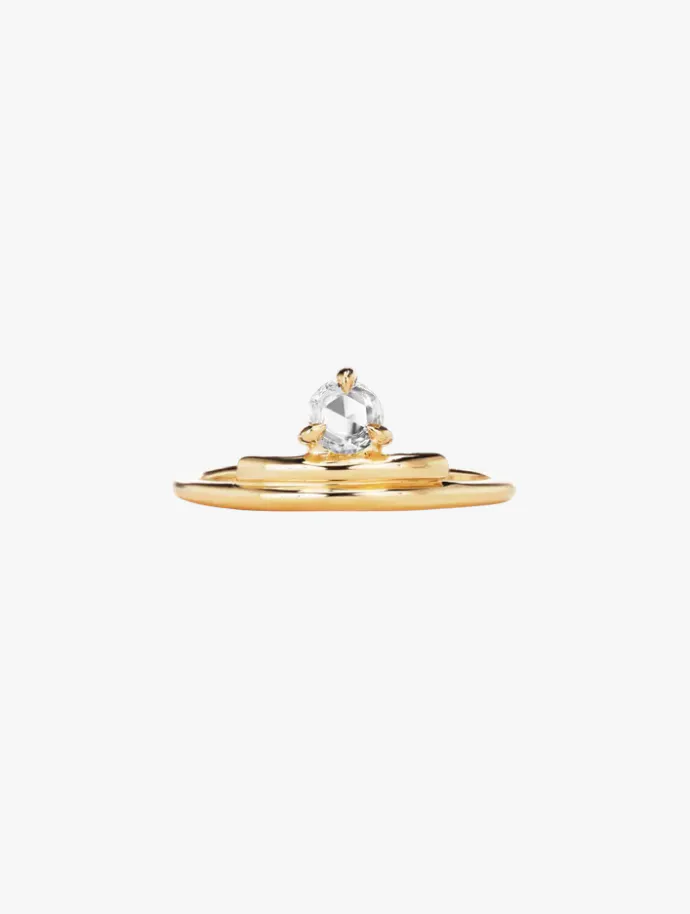
Lab-grown diamonds: modern innovation
Lab-grown diamonds have become increasingly popular over the past decade, particularly among younger buyers.
Advances in technology have made it possible to produce diamonds that are chemically and visually identical to mined diamonds, but at a significantly lower cost.
When considering lab grown vs mined diamonds, a few factors stand out.
Price and accessibility
One of the biggest reasons couples choose lab-grown diamonds is price.
Lab-grown diamonds can be 30–70% less expensive than natural diamonds of similar quality. This allows couples to purchase a larger stone or a higher grade diamond within the same budget.
For many people, this means being able to prioritise the size or clarity of the diamond without significantly increasing the cost of the ring.
Availability and production
Unlike natural diamonds, lab-grown diamonds can be produced in controlled quantities. This means supply is far more flexible, which is one reason prices have dropped significantly over the past few years.
While this makes them more accessible, it also means they typically have lower resale value.
Sustainability considerations
Some buyers are drawn to lab-grown diamonds because they avoid the environmental impact of mining.
However, the environmental footprint of lab-grown diamonds can vary widely depending on the energy sources used during production. Some laboratories rely heavily on renewable energy, while others depend on more carbon-intensive power sources.
Like many things in jewellery, the sustainability story is nuanced rather than simple.

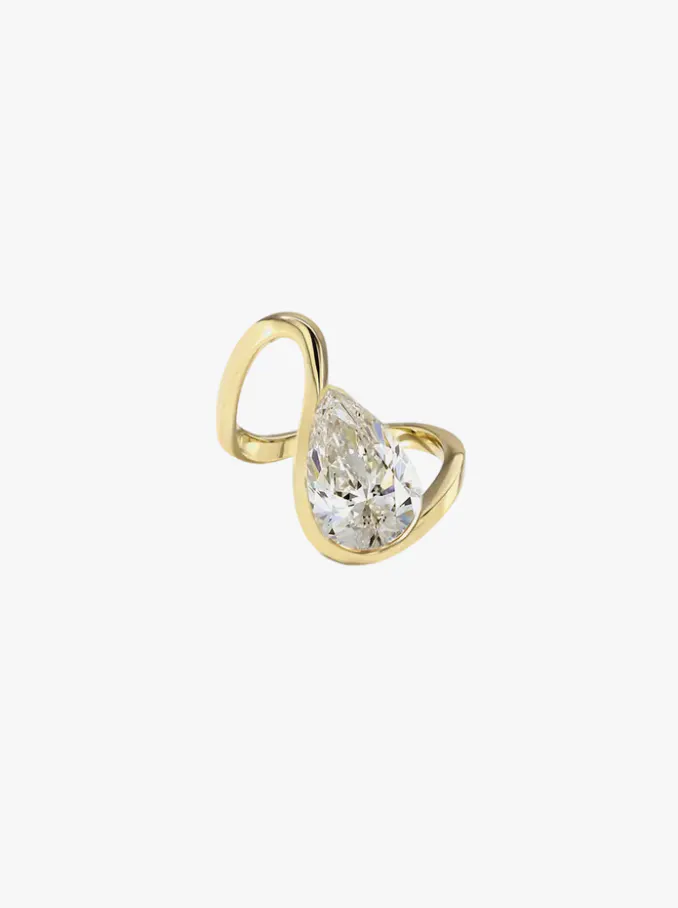

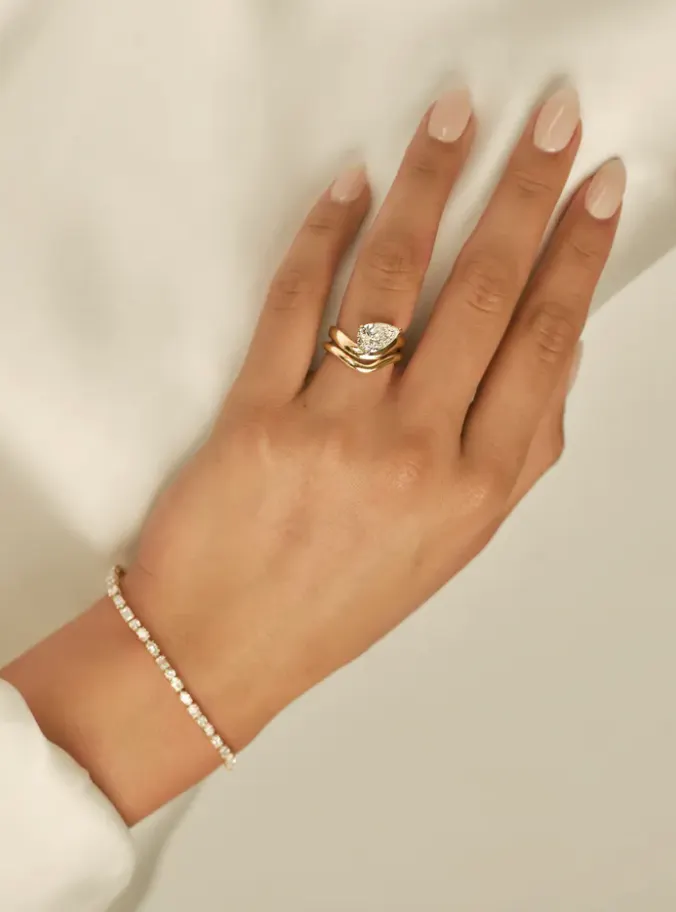

Why lab-grown diamonds have become so popular
The rise of lab-grown diamonds has been remarkably rapid.
In the United States — the world’s largest engagement ring market — over 60% of engagement rings now feature lab-grown diamonds.
Several factors are driving this shift.
Changing priorities among younger buyers
Millennials and Gen Z couples tend to prioritise value, transparency, and flexibility when purchasing jewellery. Lab-grown diamonds allow them to access larger stones at lower prices.
Larger stones for the same budget
Because lab-grown diamonds are less expensive, couples often choose a diamond that is one or even two carats larger than they might otherwise afford with a natural stone.
Greater awareness and acceptance
Ten years ago, many consumers had never heard of lab-grown diamonds. Today, they are widely understood and accepted as a legitimate option in the engagement ring market.
Questions to ask when choosing between lab-grown and natural diamonds
When deciding should I buy a lab grown diamond, it can be helpful to focus on what matters most to you as a couple.
Here are a few questions worth considering.
What does the origin of the stone mean to you?
For some people, the geological history of a natural diamond carries a powerful symbolic meaning.
For others, the origin of the diamond is less important than its beauty and value.
How important is size or quality within your budget?
If maximising diamond size or clarity is important, lab-grown diamonds can offer exceptional value.
If rarity and long-term collectability matter more, natural diamonds may feel like the better choice.
Are you thinking about heirlooms?
Natural diamonds have traditionally been passed down through generations as heirlooms.
While lab-grown diamonds can certainly carry sentimental value, their resale market is still evolving.
What feels most meaningful to you?
Ultimately, engagement rings are deeply personal objects. The most meaningful ring is the one that reflects your story and priorities as a couple.
The most important choice: the ring itself
The most important factor: craftsmanship
While debates about lab grown vs natural diamond engagement rings often focus on the diamond itself, the craftsmanship of the ring is just as important.
A beautifully cut diamond — regardless of origin — will sparkle more than a poorly cut one.
Likewise, a thoughtfully designed ring that is comfortable to wear every day will matter far more over time than the technical specifications of the stone.
When choosing an engagement ring, it’s worth paying attention to:
1. the quality of the diamond cut
2. the durability of the setting
3. the proportions of the ring design
4. the craftsmanship of the jeweller
These elements will ultimately shape how the ring looks and feels for decades to come.
A final thought
The conversation around lab-grown vs natural diamonds can sometimes feel like a debate with a right or wrong answer.
In reality, both options have their place.
Natural diamonds carry billions of years of geological history and rarity. Lab-grown diamonds offer remarkable value and accessibility.
Both can become cherished symbols of love.
The most important thing is choosing a ring that feels right for you — one that reflects your values, your relationship, and the future you’re building together.
Because at the end of the day, the meaning of an engagement ring isn’t defined by where the diamond came from.
It’s defined by the story it becomes part of.